
THE CODE OF CIVIL PROCEDURE, 1908
Description:
Excerpts from amendments in Civil Procedure Code notified by Peshawar High Court on 23.1.2018 [gazette on 29.1.2018]. [following copied from a brief] The Code of Civil Procedure, 1908 is a body of law that sets out the rules and standards that courts follow when adjudicating a civil suit. These rules govern how a civil case may be commenced, tried and disposed of. Under the existing provisions of the CPC, a civil case before finalization has to go through the following stages: (1) Institution of suit by filing a plaint by the plaintiff (2) Issue and service of summons to the diffident (3) Filing of written statement and rejoinder etc. (4) Discovery and interrogatories. (5) Framing issues. (6) Submission of list of witnesses. (7) Recording of evidence. (8) Hearing of arguments. (9) Judgment by court. (10) Issuance of Decree. (11) Execution of Decree. Amendments made will have the following impact: (1) A system of case management and scheduling conference under the supervision of the Court for expedition disposal of the cases and to discourage wasteful pre-trial activity by engaging the counsels and their parties. (2) Sixty (60) days in which the court shall complete the pleading stage including miscellaneous application. If any order is made by the court on the miscellaneous application the same shall not be appealable or revisable except in an appeal or revision in the main suit. (3) After pleadings stage, thirty (30) days have been fixed for investigation, inspection and examination of all the exhibits and if the court deems appropriate may pass Summary judgments. (4) Thereafter trial stage will be commenced and the issues shall be framed within a period of seven (07) days. The Court shall complete the trials within one (01) year by making all it efforts to hold day to day trial. (5) The Court shall impose penalties on the parties who fail to obey case management and scheduling order. (6) The Court has been given the power of the Summary judgment at any stage of the suit. (7) The Appellate Court has been given the responsibility to preferably record additional evidence itself at the appellate stage. (8) The Trial Courts and the Appellate Courts shall announce the judgment within fifteen (15) days. (9) Execution proceeding has also been brought under the purview of case management and scheduling conference. It is pertinent to mention that for the purpose of compelling the judgment debtor for execution of the decree, blockage of Computerized National Identity Card has been included Outcome: Effective and speedy disposal of civil cases and its execution
Other Books From - Civil
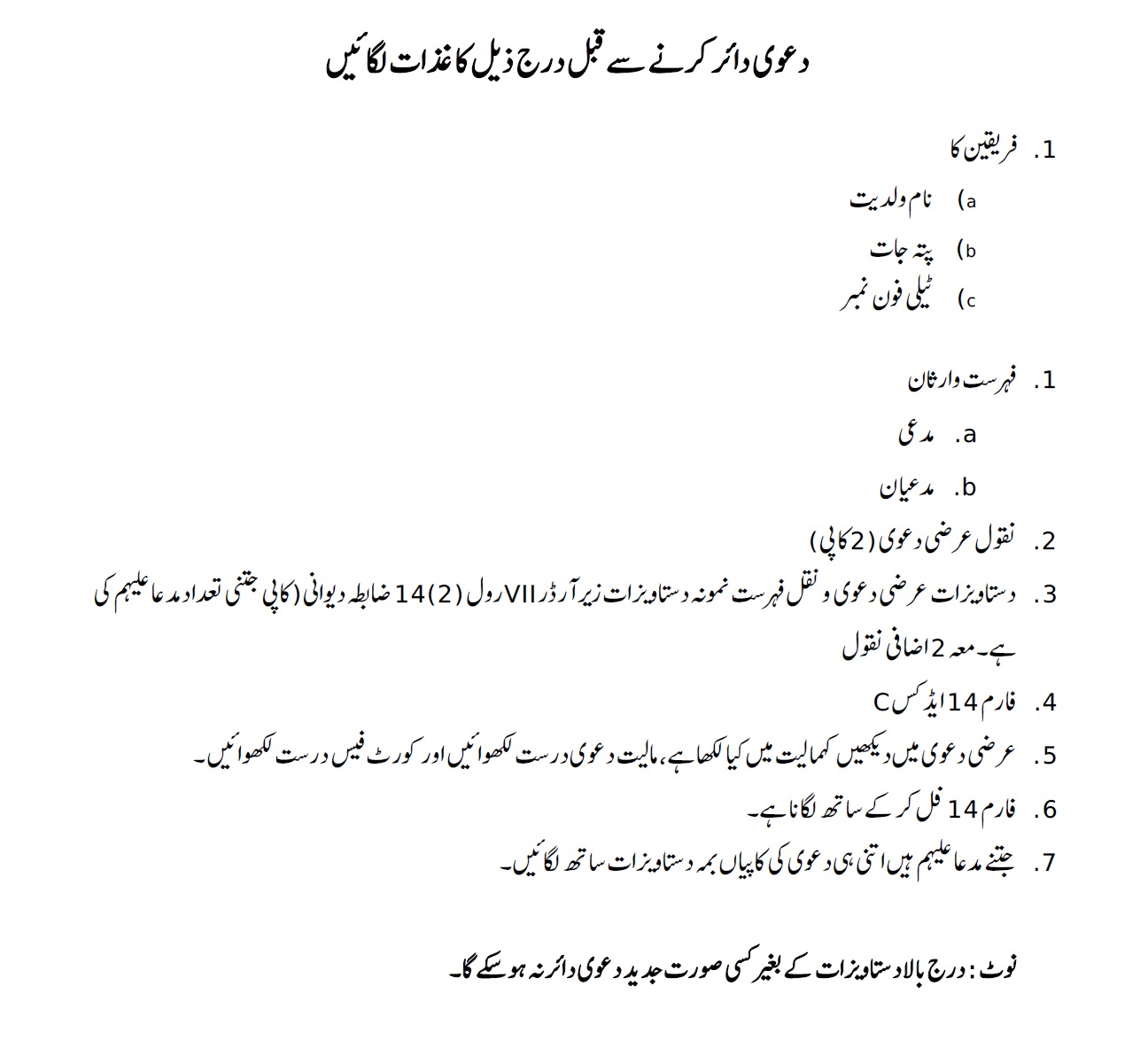 New Plaint Filing
  The Manual of Land Revenue
  Hiba / Gift Case Law Studies
  ADMINISTRATIVE LAW
 Other Books By - Abid Majeed
No Books Available!
Back
Recent Comments